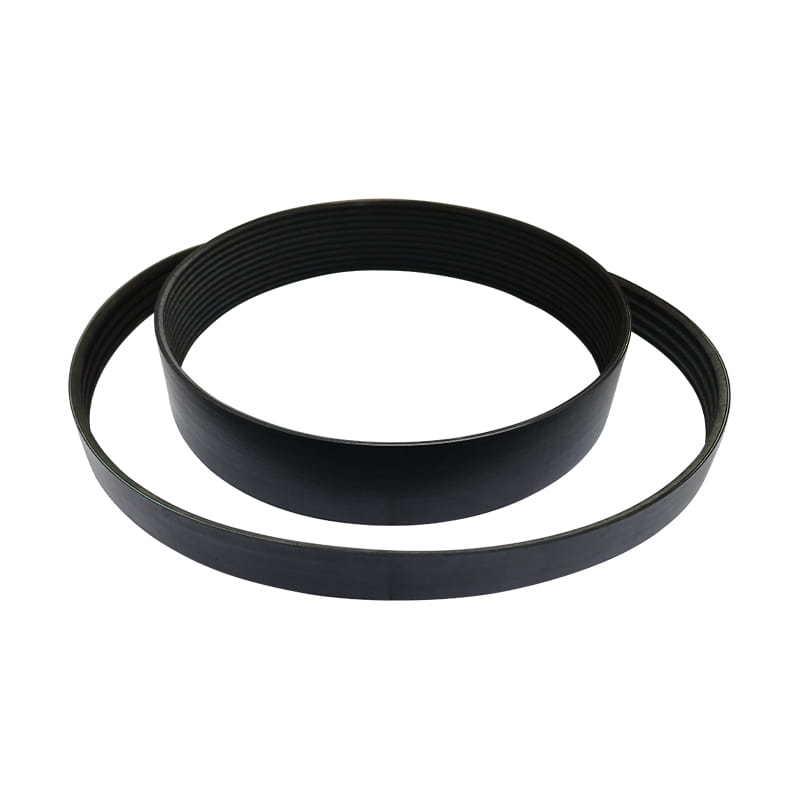
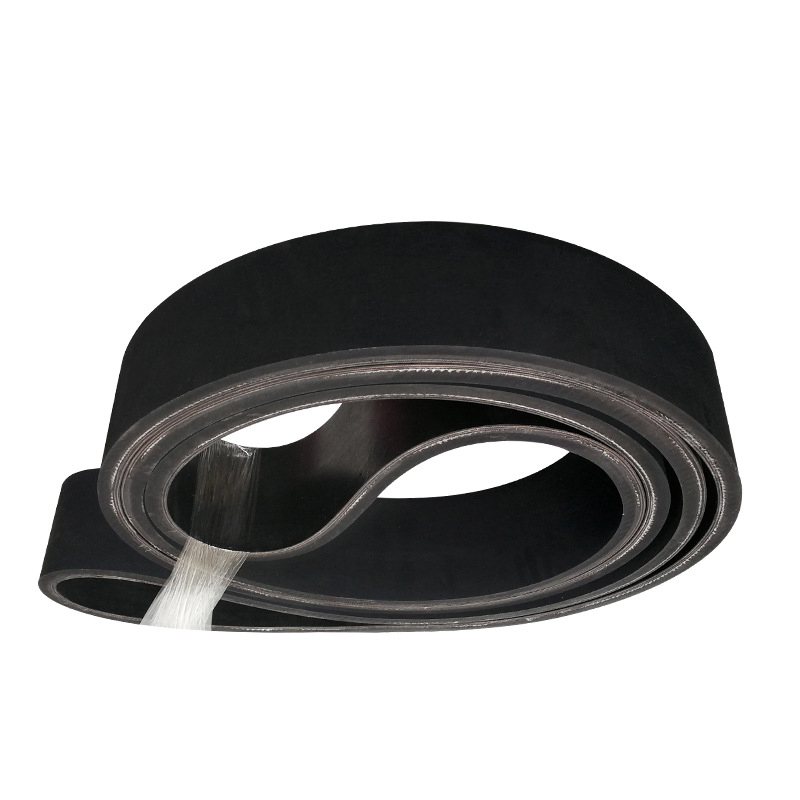
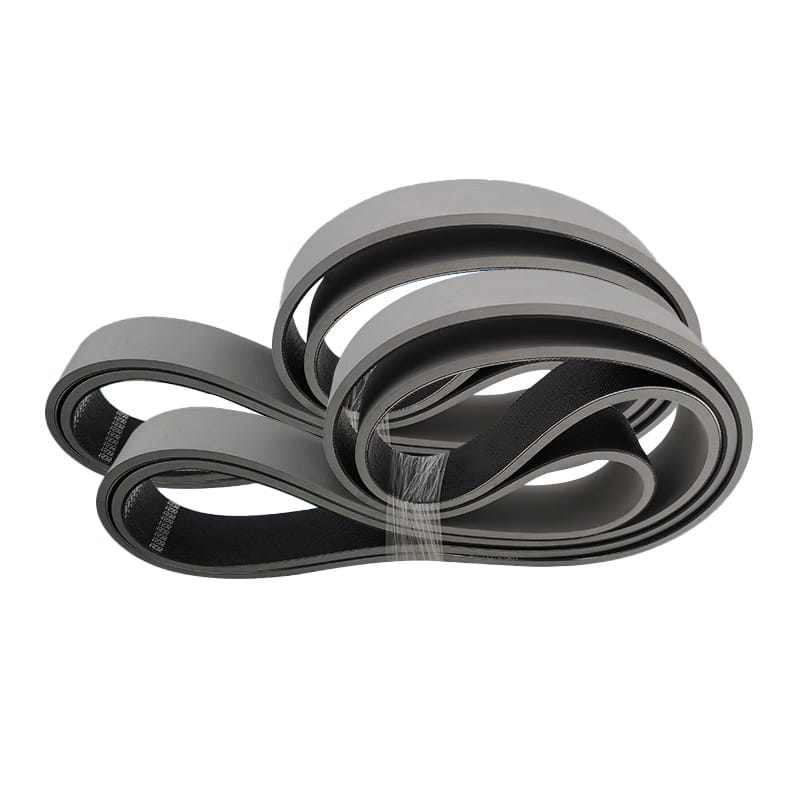
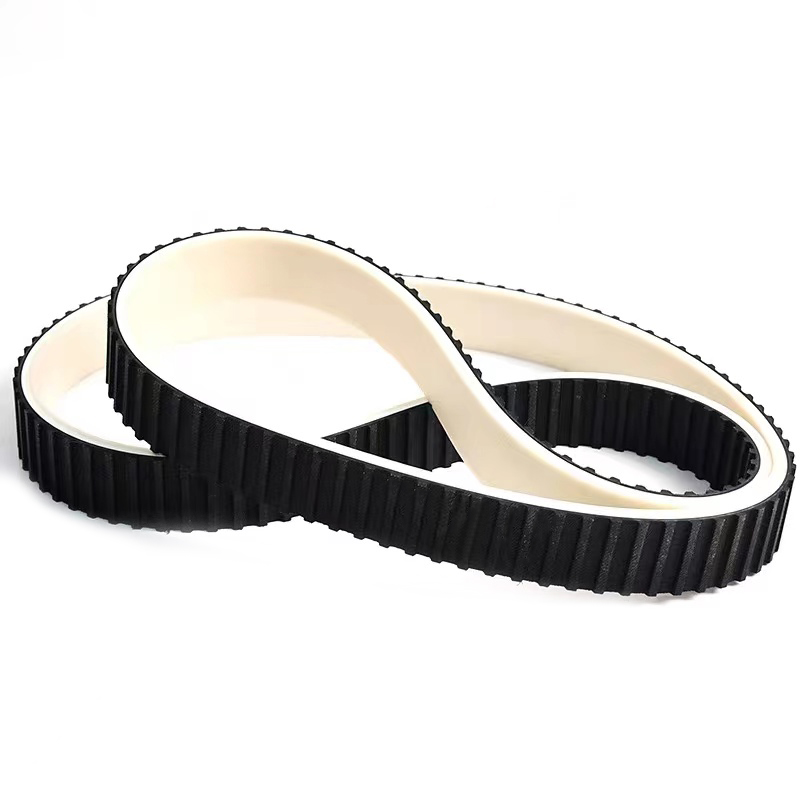
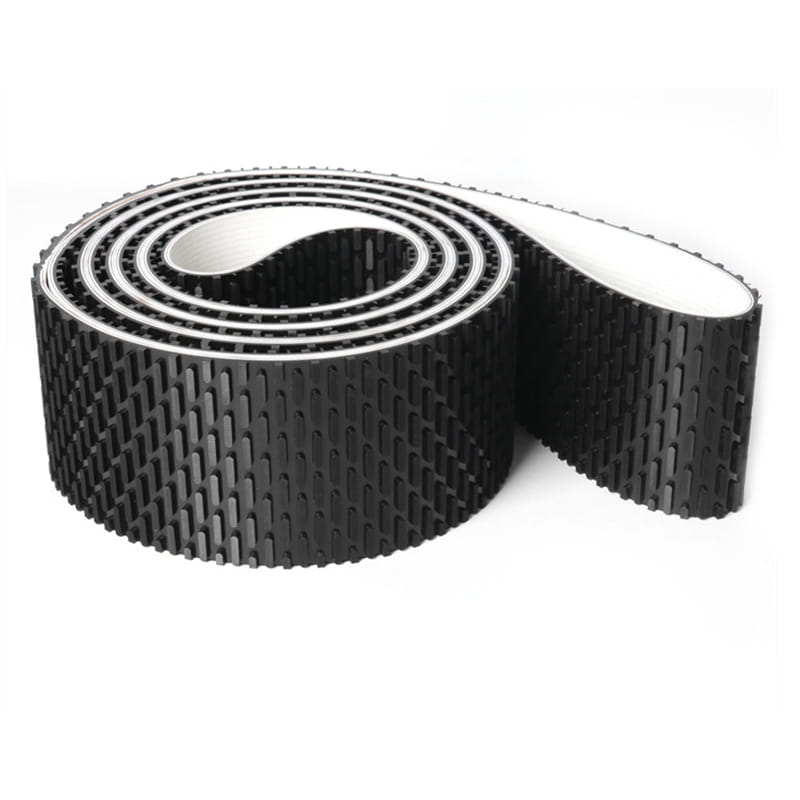
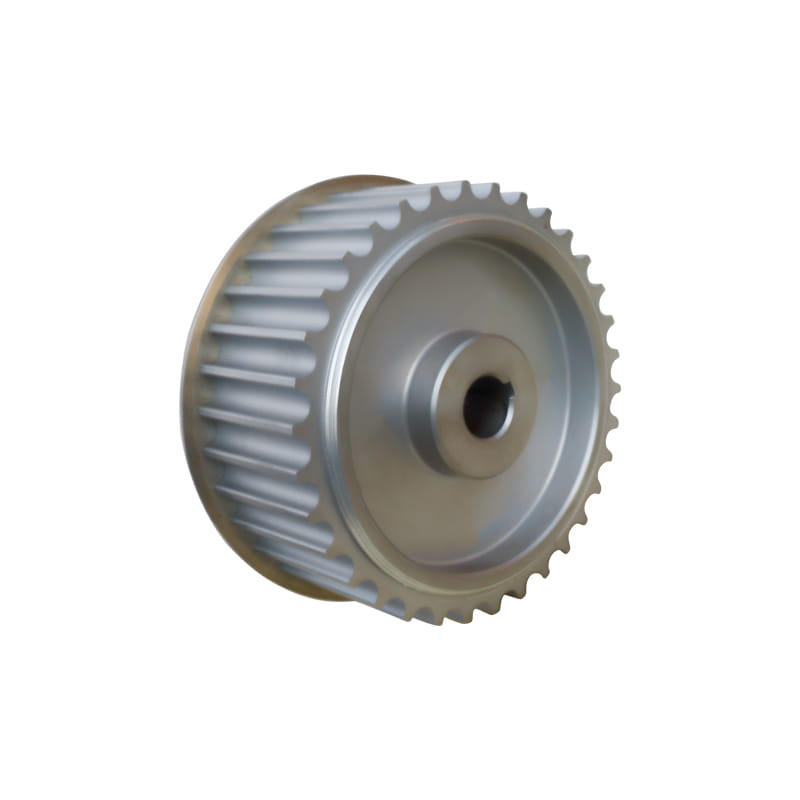
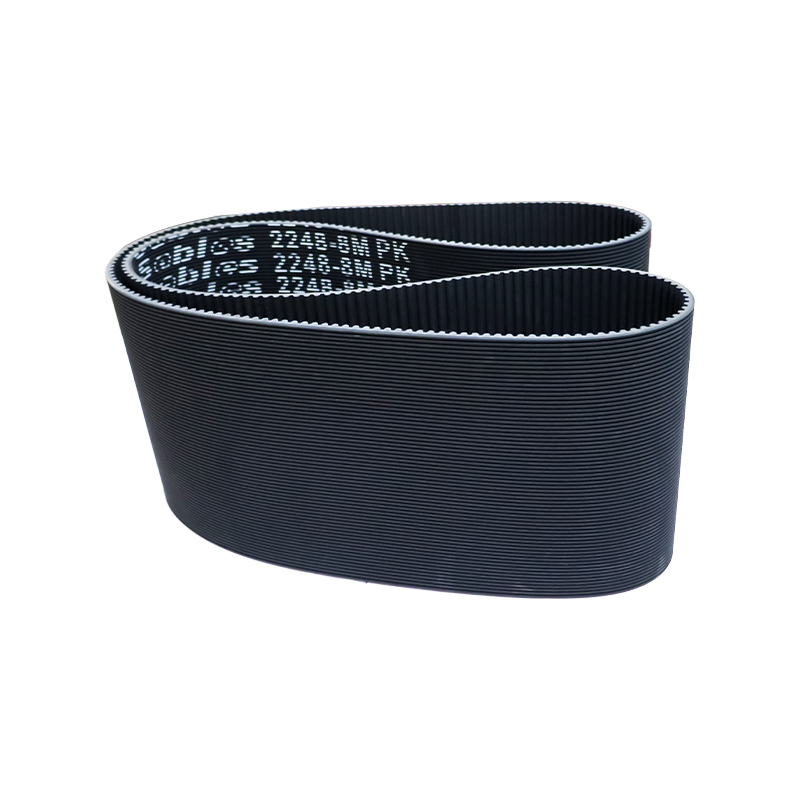
Curele de cauciuc cu nervuri îndeplinește o funcție principală: transmiterea puterii de rotație de la o sursă de antrenare la una sau mai multe componente antrenate cu eficiență ridicată, alunecare minimă și funcționare silențioasă . Nervurile longitudinale de pe suprafața curelei se blochează cu canelurile potrivite pe scripete, creând o prindere pozitivă care elimină alunecarea inerente sistemelor de curele plate. Doar la motoarele de automobile, o singură centură cu nervuri antrenează simultan alternatorul, pompa de servodirecție, compresorul de aer condiționat și pompa de apă -- manevrând sarcini combinate care pot depăși 15 până la 20 kW de transfer continuu de putere . Dincolo de utilizarea auto, curelele cu nervuri sunt soluția preferată de transmisie a puterii în mașinile industriale, sistemele HVAC, echipamentele de fitness și aparatele electrocasnice, oriunde sunt necesare împreună dimensiuni compacte, capacitate mare de cuplu și durată lungă de viață. Acest articol explică fiecare funcție în detaliu tehnic, cu date și exemple pentru categoriile de aplicații.
Funcția de bază: transmisie eficientă a puterii în mai multe puncte
Caracteristica funcțională definitorie a unei curele cu nervuri din cauciuc este capacitatea sa de a conduce mai multe accesorii dintr-o singură buclă de centură fără pierderile de eficiență asociate cu antrenările cu lanț sau pierderile de zgomot și alunecare ale curelelor plate. Această capacitate în mai multe puncte provine din combinația dintre angajarea pozitivă a profilului cu nervuri cu canelurile scripetelor și flexibilitatea curelei de a înfășura scripetele cu diametru mic la viteze mari ale curelei.
Într-o configurație serpentină tipică pentru automobile, o curea cu nervuri înfășoară în jur de șase până la opt scripete într-o singură cale continuă, cu dispozitivele de pretensionare menținând tensiunea corectă a curelei pe toată bucla. Eficiența transferului de putere a unui sistem de curele cu nervuri tensionat corespunzător este de obicei 96 până la 99% -- în comparație cu 93 până la 96% pentru un sistem convențional cu curele trapezoidale care conduce sarcini echivalente (sursa: Studiu de eficiență a transmisiei de putere Gates, referință de inginerie, 2019).
Avantajul eficienței provine din două mecanisme. În primul rând, profilul nervurat distribuie sarcina în mai multe puncte de contact cu canelura nervură simultan, reducând presiunea de contact de vârf în orice punct și reducând la minimum energia pierdută la deformare. În al doilea rând, orientarea longitudinală a nervurii permite curelei să se flexeze pe lățimea sa (în jurul scripetei), rămânând în același timp rigidă pe lungimea sa (în direcția sarcinii), ceea ce reduce energia de îndoire consumată pe rotație.
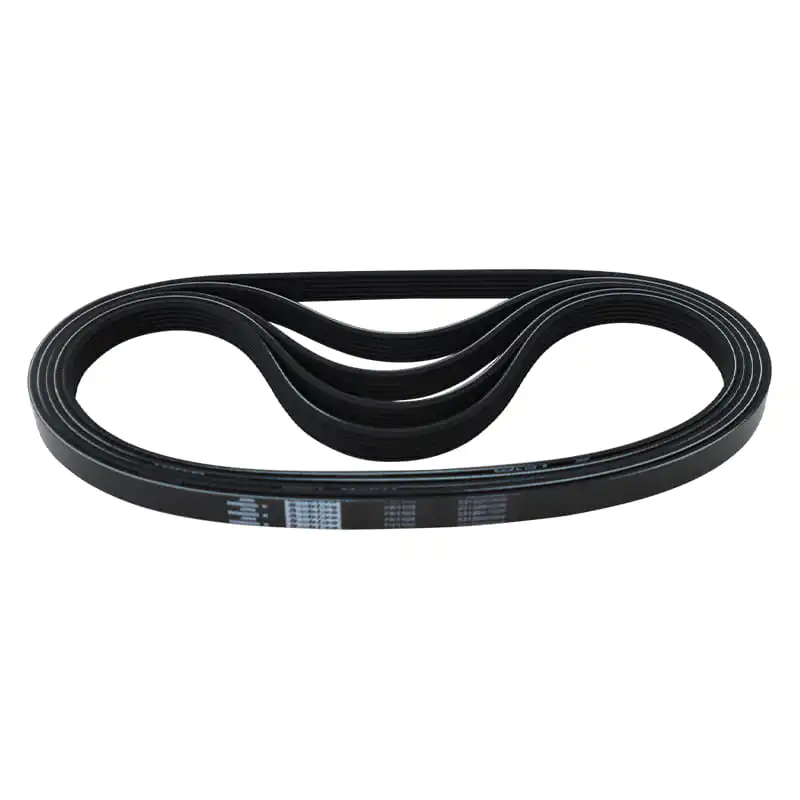
Funcție anti-alunecare: cum coastele mențin angajamentul pozitiv
Alunecarea este principalul inamic al eficienței transmisiei de putere și al longevității curelei. Într-un sistem de curea plată, întreaga sarcină transmisă este transportată prin frecare între suprafața curelei și fața scripetelui. Când cererea de sarcină atinge vârfuri -- în timpul pornirii motorului, a unei cuplații a compresorului sau a unei creșteri a sarcinii unei mașini industriale -- frecarea poate fi insuficientă și cureaua alunecă. Fiecare eveniment de alunecare generează căldură, abrazează suprafața curelei și depune reziduuri de cauciuc pe fața scripetelui, accelerând uzura.
Profilul cu nervuri elimină această vulnerabilitate prin adăugarea unui componentă geometrică de interblocare la forța de angrenare . Flancurile nervurilor se așează în pereții canelurilor ai scripetei, astfel încât sarcina transmisă este împărțită între forțele de frecare pe coroana nervurii și forțele de forfecare mecanice pe flancurile nervurilor. Acest mecanism de încărcare combinat permite unei curele cu nervuri să transmită aceeași sarcină ca și o centură plată Tensiunea curelei cu 30 până la 40% mai mică , care, la rândul său, reduce sarcinile lagărelor pe arborii antrenați și prelungește durata de viață a rulmentului (sursa: Manual tehnic Optibelt, Power Transmission Engineering, 2020).
Geometriile profilului cu nervuri standard -- desemnate PH, PJ, PK, PL, PM de la pasul cel mai îngust la cel mai larg -- sunt definite de ISO 9981 și DIN 7867, asigurându-se că orice centură cu nervuri cu o anumită denumire a profilului se va angaja corect cu orice scripete fabricat la același standard. Această standardizare este ceea ce face ca sistemul de curele cu nervuri să fie practic pentru lanțurile globale de aprovizionare industriale și auto.
| Profil | Pasul nervurilor (mm) | Înălțimea nervurii (mm) | Aplicație tipică |
| PH | 1.60 | 0.80 | Mici electrocasnice, dispozitive medicale, instrumente de precizie |
| PJ | 2.34 | 1.00 | Aparate de uz casnic, echipamente de fitness, aparate de birou |
| PK | 3.56 | 1.55 | Motoare auto, mașini industriale ușoare, HVAC |
| PL | 4.70 | 2.00 | Utilaje agricole, unități industriale grele |
| PM | 9.40 | 3.76 | Mașini grele, compresoare industriale mari |
Dimensiunile profilului conform ISO 9981 și DIN 7867. Pasul nervurilor este distanța de la centru la centru dintre nervurile adiacente.
Funcția de reducere a zgomotului: de ce curelele cu nervuri funcționează silențios
Zgomotul este un parametru critic de performanță atât în aplicațiile auto, cât și în cele ale produselor de larg consum. Un sistem de curele care produce scârțâit, zgomot sau zgomot sonor în timpul funcționării este perceput ca fiind defect, indiferent de performanța sa funcțională, iar în aplicațiile auto, zgomotul curelei este una dintre cele mai frecvente plângeri ale șoferilor raportate departamentelor de service din întreaga lume.
Curelele cu nervuri din cauciuc realizează o funcționare silențioasă prin trei mecanisme:
- Angajare continuă cu canelura nervură: Spre deosebire de curelele dințate (de distribuție), care produc un sunet caracteristic de bătaie pe măsură ce fiecare dinte se așează într-un pinion, curelele cu nervuri mențin contactul continuu de alunecare între flancurile nervurilor și pereții canelurilor. Nu există niciun eveniment de angajament discret și, prin urmare, nici un zgomot de impact repetitiv.
- Amortizare cauciuc: Compusul de cauciuc elastomeric al materialului nervurii absoarbe și disipează micro-vibrațiile generate de variațiile de sarcină la accesoriile antrenate. Această funcție de amortizare previne amplificarea și transmiterea vibrațiilor ca zgomot în aer.
- Stabilitate la viteză mare: Întărirea cablului de tracțiune care trece longitudinal prin corpul curelei -- de obicei poliester, aramidă sau fibră compatibilă cu EPDM -- împiedică cureaua să oscileze transversal la viteze mari, care este sursa principală de zgomot de rezonanță în sistemele plate și cu curele trapezoidale.
Un studiu de măsurare pe teren realizat de Society of Automotive Engineers (SAE Technical Paper 2017-01-1061) a comparat emisia de zgomot de la un sistem cu curele cu nervuri serpentine cu o matrice echivalentă de curele trapezoidale pe un motor identic sub sarcini identice și a constatat că sistemul cu curele nervurate a produs Cu 4 până la 7 dB mai puțin zgomot în intervalul de frecvență de la 500 Hz până la 4 kHz -- o diferență perceptibilă echivalentă cu o reducere de 50 până la 75% a sonorității percepute (sursa: SAE Technical Paper 2017-01-1061).
Funcția de distribuție a încărcăturii: cum împart mai multe coaste stresul
Una dintre cele mai puțin înțelese, dar cele mai importante funcții ale designului curelei cu nervuri este modul în care secțiunea transversală cu nervuri multiple distribuie sarcina transmisă pe toată lățimea centurii. Într-o singură curea trapezoidale, întreaga sarcină de transmisie este concentrată într-o zonă de contact în formă de pană. Într-o curea cu nervuri, aceeași sarcină totală este împărțită în mod egal între toate nervurile în contact cu scripetele simultan.
Pentru o centură cu profil PK cu 6 nervuri (denumită 6PK), forța totală de antrenare este distribuită peste tot șase zone de contact independente cu canelura nervură . Fiecare zonă suportă doar o șesime din sarcina totală, reducând proporțional stresul de contact de vârf. Efort de contact mai mic înseamnă mai puțină generare de căldură pe unitate de suprafață, mai puțină deformare a cauciucului pe rotație și o viață mai lungă a curelei în condiții de încărcare identice.
Acest principiu de distribuție a sarcinii este, de asemenea, ceea ce permite sistemelor cu curele cu nervuri să fie mai înguste decât sistemele echivalente cu curele trapezoidale pentru aceeași putere nominală. O centură cu nervuri 6PK la 21,4 mm lățime totală poate transmite sarcini care ar necesita o matrice triplă de curele trapezoidale la 46 mm lățime totală -- a Reducere cu 53% a lățimii de rulare cu o capacitate de putere echivalentă, permițând compartimente pentru motor mai mici, mașini mai compacte și masă rotativă redusă (sursa: Continental PowerDrive Engineering Data, 2021).
Funcție de flexibilitate: înfășurarea scripetelor mici fără pierderi de energie
Capacitatea de a înfășura scripetele cu diametru mic este critică în sistemele de antrenare compacte, unde constrângerile de spațiu forțează utilizarea scripetelor accesorii mici. O curea care este prea rigidă pentru a se conforma cu o rază mică a scripetelor suferă un stres ridicat de încovoiere la punctul de contact, generând căldură și fisurare de oboseală care scurtează dramatic durata de viață a curelei.
Curelele cu nervuri din cauciuc își ating flexibilitatea caracteristică printr-o combinație de selecție a compusului și geometria secțiunii transversale. Văile coastelor -- golurile dintre nervurile adiacente -- acționează ca balamalele de încovoiere care permit curelei să se conformeze curburii scripetelor cu o tensiune totală de încovoiere mai mică decât o curea cu secțiune solidă de grosime echivalentă. Curelele striate cu profil PK standard pot funcționa pe scripete la fel de mici 45 mm în diametru fără a depăși pragul de oboseală la încovoiere al compusului de cauciuc, în comparație cu diametrele minime ale scripetelor de 80 până la 100 mm pentru curelele trapezoidale convenționale cu capacitate de încărcare echivalentă (sursa: ISO 9981, Anexa A, Diametrele minime ale scripetelor).
Această capacitate de scripete mic este ceea ce face ca curelele cu nervuri să fie alegerea standard pentru alternatoarele auto, care folosesc de obicei scripete cu diametrul de 50 până la 65 mm, care se rotesc la viteza arborelui cotit de 3 până la 6 ori, și pentru antrenările benzii de alergare a echipamentelor de fitness, unde scripetele motorului și rolei sunt constrânse la diametre mici de anvelopa dimensională a mașinii.
Funcția de rezistență termică și chimică
În compartimentele motoarelor auto și în mașinile industriale, curelele de cauciuc sunt expuse la temperaturi ridicate, fluide pe bază de petrol, ozon și radiații UV - toate acestea degradând compușii convenționali de cauciuc în timp. Formulările de cauciuc utilizate în curelele moderne cu nervuri sunt concepute special pentru a rezista acestor solicitări de mediu și pentru a-și menține proprietățile mecanice pe toată durata de viață a curelei.
Compus EPDM (monomer de etilenă propilen dienă).
EPDM este compusul de cauciuc dominant pentru curelele cu nervuri auto moderne. Oferă:
- Rezistenta la temperatura: Funcționare continuă de la -40 grade C până la 120 grade C, cu toleranță intermitentă de până la 150 grade C -- acoperind întreaga gamă de temperaturi de sub capotă la motoarele moderne
- Rezistenta la ozon: EPDM nu conține legături duble în lanțul său vertebral, ceea ce îl face în mod inerent rezistent la atacul de ozon - cauza principală a fisurii de suprafață în curelele CR (cloropren) mai vechi.
- Durată lungă de viață: Curelele cu nervuri auto EPDM sunt evaluate pentru intervale de service de 100.000 până la 160.000 km în aplicațiile pentru vehicule de pasageri, comparativ cu 40.000 până la 60.000 km pentru curelele compuse CR din generația anterioară (sursa: SAE J1390, Belt Life Testing Standard, 2018)
Compus CR (Cloropren/Neopren).
Curelele compuse CR păstrează performanțe puternice în aplicațiile care implică expunerea la stropi de ulei și combustibil, unde rezistența limitată a EPDM la fluidele pe bază de petrol este un dezavantaj. Curelele cu nervuri CR sunt obișnuite în sistemele de transmisie industriale de intrare a cutiei de viteze și în aplicațiile motoarelor marine unde contaminarea cu ulei este o condiție de funcționare obișnuită.
Compuși speciali la temperatură înaltă
Pentru aplicații industriale care implică temperaturi continue peste 130 de grade C -- cum ar fi acţionarea uscătorului în procesarea textilelor sau sistemele de transport încălzite -- sunt disponibile curele cu nervuri speciale din fluoroelastomer sau cauciuc siliconic. Acești compuși mențin stabilitatea dimensională și proprietățile de prindere la temperaturi care ar face ca compușii convenționali EPDM sau CR să se înmoaie, să se umfle sau să piardă rezistența la tracțiune.
Funcția cablului de întindere: miezul portant al unei curele cu nervuri
Compusul de cauciuc al unei curele cu nervuri se ocupă de aderența, flexibilitatea și rezistența la mediu, dar rezistența la tracțiune a curelei - capacitatea sa de a rezista întinderii sub sarcină fără fluaj sau alungire - este asigurată de strat de cordon de tracțiune încorporat în corpul centurii chiar deasupra rădăcinilor coastelor.
Sunt utilizate în mod obișnuit trei materiale pentru cablu, fiecare potrivit unui set diferit de cerințe de operare:
- Snur din poliester: Alegerea standard pentru majoritatea aplicațiilor auto și industriale ușoare. Oferă o rezistență bună la tracțiune (de obicei 1.200 până la 1.800 N pe nervură pentru profilul PK), rezistență moderată la alungire și rezistență excelentă la oboseală în condiții de încărcare ciclică. Eficient din punct de vedere al costurilor și disponibil pe scară largă.
- Snur aramid (de tip kevlar): Folosit în aplicații de înaltă tensiune, cu sarcini mari de șoc. Cordonul de aramid are aproximativ de 5 până la 6 ori modulul de tracțiune al poliesterului -- ceea ce înseamnă că se întinde mult mai puțin sub sarcină -- și poate transmite forțe de vârf mai mari fără alungire permanentă. Standard în acționările industriale grele și aplicațiile cu cicluri frecvente de pornire-oprire.
- Snur din poliamidă (nailon): Selectat pentru aplicații care necesită o flexibilitate ridicată combinată cu o rezistență bună la tracțiune. Cordonul de nailon este mai elastic decât aramida, dar mai rezistent la oboseală decât poliesterul în condiții de îndoire de mare viteză. Folosit în unele aplicații pentru produse de automobile și produse de larg consum.
Cordonul de tracțiune este înfășurat elicoidal la un unghi de pas precis în timpul fabricării curelei, asigurându-se că linia centrală a cordonului este paralelă cu axa neutră a centurii. Orice abatere de la această aliniere introduce o distribuție asimetrică a tensiunii care face ca cureaua să se deplaseze decentrat pe scripete -- o cauză principală a uzurii premature a marginilor și a zgomotului în curelele fabricate incorect.
Funcția în motoarele auto: sisteme de antrenare serpentină
Acționarea serpentină a autovehiculelor este aplicația pe care o întâlnesc majoritatea consumatorilor atunci când interacționează cu curele cu nervuri din cauciuc, chiar și fără să-și dea seama. Într-un motor tipic pentru vehicule de pasageri, o singură centură cu nervuri -- de obicei profil 6PK sau 7PK -- antrenează toate accesoriile motorului într-o singură buclă continuă, înlocuind multiplele curele trapezoidale individuale utilizate în modelele mai vechi.
Accesoriile antrenate într-un sistem serpentin standard includ:
- Alternator: Generează energie electrică pentru încărcarea bateriei și toate sarcinile electrice ale vehiculului; de obicei, accesoriul de cea mai mare putere la o cerere continuă de 1,5 până la 3 kW
- Pompa servodirectie: Oferă presiune hidraulică pentru asistență la direcție; cererea variază de la aproape zero la conducerea directă până la 2 până la 4 kW în timpul manevrelor de direcție complet blocate
- Compresor de aer conditionat: Cea mai mare sarcină intermitentă pe sistemul serpentin; se cuplează brusc și solicită până la 5 până la 7 kW când se activează ambreiajul compresorului
- Pompa de apa (acolo unde este actionata cu curea): Sarcină continuă de 0,5 până la 1,5 kW pentru circulația lichidului de răcire
- Roți de rulare și de tensionare: Mențineți tensiunea curelei și ghidați traseul centurii; fără consum de energie, dar este esențial pentru alinierea curelei și consistența tensiunii
Cererea totală de sarcină combinată pentru un sistem cu curele cu nervuri serpentine poate atinge 15 până la 20 kW în timpul maxim de cuplare simultană a accesoriilor -- de exemplu, când compresorul de aer condiționat se cuplează la ralanti în timp ce alternatorul încarcă o baterie descărcată și servodirecția este blocată complet. Cureaua cu nervuri face față acestei cereri de vârf fără să alunece, să se întindă sau să genereze căldură excesivă, deoarece sarcina este distribuită pe toată lățimea nervurii, iar compusul EPDM își menține proprietățile mecanice la temperaturile ridicate generate de sarcina maximă.
Al nostru Curele de cauciuc cu nervuri sunt proiectate pentru a satisface cerințele de spectru complet ale sistemelor de antrenare serpentină, cu formulări de compus EPDM și cabluri de tracțiune din poliester sau aramid selectate pentru a se potrivi cu specificațiile OEM specifice pentru vehicule de pasageri, vehicule comerciale ușoare și aplicații de motoare de performanță.
Funcția în mașini industriale: unități cu sarcină variabilă
În medii industriale, curelele cu nervuri din cauciuc îndeplinesc aceeași funcție fundamentală de transmisie a puterii ca și în aplicațiile auto, dar în condiții de funcționare semnificativ diferite: timpi mai lungi de funcționare continuă, intervale mai largi de temperatură ambientală, sarcini de vârf mai mari și, în multe cazuri, expunere la praf, umiditate și contaminare chimică.
HVAC și sisteme de refrigerare
Sistemele HVAC comerciale folosesc curele cu nervuri pentru a antrena compresoare, ventilatoare și suflante în cicluri de funcționare continue care rulează între 8.000 și 8.760 de ore pe an. Cerința cheie de performanță în această aplicație este durată lungă de viață sub sarcină moderată continuă cu intervenții minime de întreținere. Curelele cu nervuri EPDM din sistemele de acţionare HVAC întreţinute corect realizează o durată de viaţă de 5 până la 7 ani în instalații bine întreținute (sursa: ASHRAE HVAC Systems and Equipment Handbook, capitolul 44, 2020).
Compresoare industriale
Compresoarele de aer, unitățile hidraulice și compresoarele frigorifice folosesc curele cu nervuri pentru a transmite puterea de la motoarele electrice la capetele compresoarelor. Sarcina de șoc generată atunci când un compresor se cuplează sub presiune este una dintre cele mai solicitante condiții cu care se confruntă curea cu nervuri. Curelele cu nervuri din cordon de aramid sunt specificate în aceste aplicații, deoarece alungirea lor redusă sub sarcina de șoc menține tensiunea corectă a curelei prin tranzitoriu de angajare fără alunecare momentană.
Echipament medical și fitness
Benzile de alergare, antrenoarele eliptice, bicicletele staționare și echipamentele de diagnosticare clinică folosesc curele nervurate cu profil PJ pentru a transmite puterea motorului către mecanismul antrenat. Cerințele din această categorie de aplicații sunt funcționarea silențioasă (experiența utilizatorului), geometria compactă (diametre mici ale scripetelor) și durata de viață lungă în condiții de încărcare ciclică. Centurile cu nervuri PJ din echipamentele de fitness ating de obicei o durată de viață de 3.000 până la 5.000 de ore de funcționare înainte de a se recomanda înlocuirea (sursă: Ghid de service tehnic al Asociației producătorilor de echipamente de fitness, 2021).
Funcția de întreținere: indicatori care vă spun când să înlocuiți
O centură de cauciuc cu nervuri care funcționează corect nu necesită lubrifiere, nicio ajustare periodică (când este asociată cu un întinzător automat) și nicio întreținere de rutină dincolo de inspecția vizuală periodică. Cu toate acestea, cureaua se uzează de-a lungul duratei sale de viață, iar recunoașterea indicatorilor de uzură care indică că trebuie înlocuită este o înțelegere funcțională importantă atât pentru inginerii de întreținere, cât și pentru proprietarii de vehicule.
| Indicator de uzură | Ce indică | Acțiune necesară |
| Crăparea sau tăierea coastelor | Oboseala compusă din cauciuc de la ciclul termic sau întărirea în vârstă | Înlocuiți imediat -- risc de defectare bruscă a curelei |
| Suprafata nervura glazurata | Suprafață întărită la căldură din cauza alunecării cronice sau a contaminării cu pansamentul curelei | Înlocuiți cureaua; inspectați scripetele pentru geam; identificați cauza alunecării |
| Uzura coastelor (înălțimea coastelor redusă) | Uzura abrazivă de la scripetele nealiniate sau contaminarea cu nisip | Înlocuiți cureaua; verificați alinierea scripetelor la 0,5 grade |
| Marginea curelei se desface | Alinierea greșită a scripetelor, ceea ce face ca cureaua să se deplaseze pe flanșe | Înlocuiți cureaua; alinierea corectă a scripetelor înainte de a instala cureaua nouă |
| Pilling (granule de cauciuc pe suprafața coastei) | Transferul cauciucului de la evenimentele de alunecare -- comun la curelele EPDM care se apropie de sfârșitul duratei de viață | Înlocuiți cureaua dacă pișcarea este însoțită de zgomot sau de reducere a performanței |
| Expunerea cablului de tracțiune | Pierdere severă de cauciuc expunând stratul de cordon portant | Înlocuiți imediat -- risc iminent de defecțiune catastrofală |
Indicatori de uzură conform SAE J1609 Ghidul vizual de evaluare a stării curelei și Manualul tehnic Optibelt, 2020.
O notă importantă în special pentru curelele EPDM: compusul modern EPDM nu se crăpă sau se destramă vizibil la sfârșitul duratei de viață, așa cum o făceau curelele compuse CR mai vechi. O centură EPDM poate părea solidă din exterior în timp ce profilul nervurii s-a uzat peste specificație. A indicator de uzură a nervurilor -- un șablon simplu go/no-go disponibil de la majoritatea furnizorilor de curele -- este metoda de inspecție fiabilă pentru evaluarea stării curelei EPDM.
Compararea performanței curelei cu nervuri cu soluțiile alternative de transmisie
Pentru a înțelege ce fac curelele cu nervuri din cauciuc, trebuie să înțelegeți unde se potrivesc în peisajul opțiunilor de transmisie a puterii. Tabelul de mai jos poziționează curelele cu nervuri față de cele mai comune alternative la dimensiunile care contează cel mai mult pentru inginerii care specifică sistemele de transmisie:
| Proprietate | Centura cu nervuri | Cureaua trapezoidala | Centura plată | Unitate cu lanț | Unitatea de viteze |
| Eficiența transmisiei puterii | 96-99% | 93-96% | 95-99% | 97-99% | 98-99% |
| Diametrul minim al scripetei | 45 mm (PK) | 80-100 mm | 25-50 mm | 50 mm (pinion) | 20 mm (dintaie) |
| Capacitate cu mai multe arbori | Excelent - rutare serpentină | Limitat -- o curea per transmisie | Limitat | Limitat | Necesită trenuri de viteze |
| Nivel de zgomot | Scăzut | Moderat | Scăzut | Înalt | Moderat to high |
| Este necesară lubrifierea | Nu | Nu | Nu | Da | Da |
| Amortizarea vibrațiilor | Bun - cauciucul absoarbe șocurile | Moderat | Bun | Sărac | Sărac |
| Toleranță de dezaliniere | Moderat (max 0.5-1.0 degree) | Bun | Bun | Scăzut | Foarte scăzut |
| Durată de viață tipică | 100.000-160.000 km (auto); 5-7 ani (industrial) | 40.000-80.000 km (auto); 2-4 ani (industrial) | 3-6 ani (industrial) | 3-5 ani (lubrifiat) | 10 ani (închis) |
Date de eficiență: Gates Engineering Reference 2019; date de viață: SAE J1390 2018; Manual ASHRAE 2020. Auto = aplicație pentru vehicule de pasageri. Industrial = antrenare mecanică continuă.
Selectarea curelei cu nervuri de cauciuc potrivite pentru aplicația dvs
Specificarea curelei cu nervuri corecte pentru o anumită aplicație necesită potrivirea a cinci variabile: denumirea profilului, numărul de nervuri, lungimea efectivă, compusul de cauciuc și materialul cablului de tracțiune. O selecție incorectă a oricăreia dintre aceste variabile produce fie o defecțiune prematură (curea subspecificată), fie costuri inutile (curea supraspecificată).
- Profil (PH, PJ, PK, PL, PM): Determinat de puterea de antrenare și diametrul scripetelui. PK este standardul pentru industria auto și majoritatea aplicațiilor industriale; PJ pentru aparate mici și echipamente de fitness; PL și PM pentru acționări industriale grele.
- Numar de coaste: Determină capacitatea de încărcare. Calculați forța de antrenare necesară din putere (kW) și viteza curelei (m/s), apoi selectați numărul minim de nervuri care oferă capacitatea de forță necesară cu un factor de siguranță de proiectare de 1,2 până la 1,5.
- Lungimea efectivă: Circumferința interioară a buclei curelei, măsurată în jurul diametrelor pasului scripetelui. Trebuie specificat cu precizie pentru a asigura o tensiune corectă cu întinzătorul în poziția sa de mijloc de cursă.
- Compus de cauciuc: EPDM pentru majoritatea aplicațiilor auto și industriale; CR pentru medii cu contaminare cu ulei; compuși de specialitate pentru temperaturi peste 130 de grade C sau expunere chimică.
- Cordon de tracțiune: Poliester pentru aplicații standard; aramid pentru acționări de înaltă tensiune sau de șoc; poliamidă pentru transmisii flexibile cu ciclu înalt.
Pentru aplicațiile de înlocuire a autovehiculelor, numărul piesei OEM sau combinația marcă/model/an al vehiculului este cea mai simplă cale de specificație. Pentru aplicațiile industriale în care nu există nicio referință OEM, echipa noastră de ingineri poate ajuta la calcularea specificațiilor corecte ale curelei din geometria de transmisie și cerințele de putere. Explorați gama noastră completă de Curele de cauciuc cu nervuri pentru a găsi combinația de profil, compus și lungime care se potrivește cerințelor aplicației dumneavoastră.